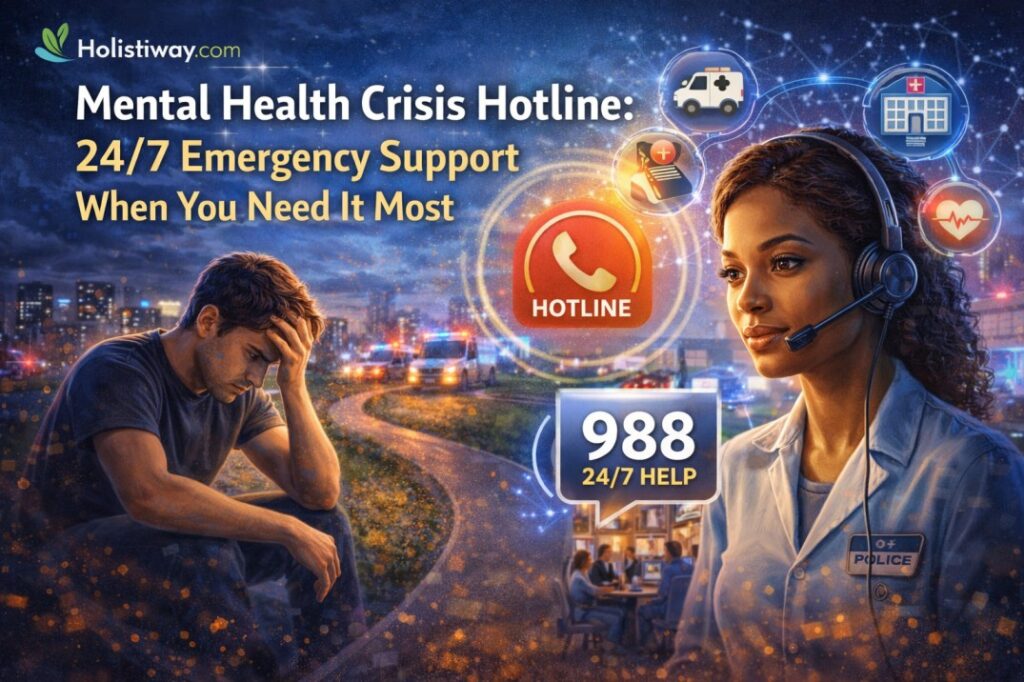

Life doesn’t wait for business hours. When panic strikes at 2 AM or suicidal thoughts creep in during a holiday weekend, you need someone to answer the call. That’s exactly what a mental health crisis hotline provides—a lifeline when everything feels like it’s falling apart.
What Actually Happens When You Call?
Let me paint you a picture. You’ve been holding it together for weeks, maybe months. Then something small happens—a spilled coffee, a harsh email, a memory that hits wrong—and suddenly you’re sobbing in your car, wondering if anyone would notice if you just… stopped. Your hands shake as you dial. A voice answers. Not a robot. A real person who says, “Crisis line, I’m here to listen.”
The person on the other end isn’t there to fix you in 20 minutes. They’re trained to do something more valuable: keep you safe right now. They’ll ask your name (you can give a fake one), check if you’re in immediate danger, and help you breathe through the next few minutes. Some calls last five minutes. Others stretch past midnight. There’s no timer, no rush.
The Numbers Behind the Compassion
Here’s something that might surprise you. The 988 Suicide & Crisis Lifeline in the United States handled over 5 million calls, texts, and chats in its first year after launching in July 2022. Before that, the old 10-digit number saw about 3.3 million contacts annually. The simplicity of three digits—988—changed everything. People actually remember it when their minds are spinning.
But 988 isn’t the only player. Crisis Text Line (text HOME to 741741) has processed more than 8 million conversations since 2013. The Trevor Project specializes in LGBTQ+ youth, where suicide attempts are nearly four times higher than among straight teens. Veterans Crisis Line (dial 988 then press 1) understands military culture in ways civilian counselors sometimes miss.
Who Answers These Calls?
I used to imagine crisis lines staffed by volunteers with minimal training. The reality is more rigorous. Most mental health crisis hotline counselors complete 40-60 hours of initial training covering active listening, risk assessment, de-escalation techniques, and cultural competency. They practice with simulated calls before touching a real one. Many are supervised by licensed clinicians.
Some counselors are peers—people who’ve stood where you’re standing. The National Alliance on Mental Illness (NAMI) runs a HelpLine staffed by people with lived experience. When you say, “Nobody understands,” they can honestly reply, “I do. I’ve been there.”
When Should You Actually Call?
There’s a myth that crisis lines are only for people with suicide plans. Not true. Call when you’re:
- Having thoughts of hurting yourself, even vague ones
- Experiencing a panic attack that won’t ease
- Hearing voices or seeing things others don’t
- In an abusive situation and need immediate safety planning
- Worried about someone else who might be in danger
One caller I spoke with (let’s call her Mara) rang up because her antidepressants stopped working and she couldn’t reach her psychiatrist for three days. She wasn’t suicidal—just terrified of becoming suicidal. The counselor helped her create a safety plan and identified an urgent care clinic with psychiatric services. “I felt ridiculous calling,” Mara told me later. “But that stranger kept me alive until I could see my doctor.”
The Limitations You Should Know
Crisis hotlines save lives, but they’re not therapy. Most calls last 20-30 minutes, not the 50-minute sessions you’d get from a psychologist. Counselors generally can’t call emergency services without your consent unless you’re actively attempting suicide while on the line. They won’t have your medical history or prescribe medication.
Some rural areas still struggle with wait times. During peak crisis periods—holidays, economic downturns, after celebrity suicides—you might wait 5-10 minutes. If you can’t get through, try texting instead; text lines often have shorter queues.
Making the Call Easier
If you’re nervous about dialing, prepare:
- Find a private space where you won’t be overheard
- Have water nearby—crying dehydrates
- Write down three words describing how you feel (stuck, scared, exhausted)
- Remember: hanging up is always an option if it doesn’t feel right
The mental health crisis hotline system isn’t perfect. But at 3 AM, when your thoughts are spiraling and your chest won’t stop tightening, perfection isn’t the goal. Connection is. Someone picking up. Someone staying with you until the wave passes.
Save these numbers in your phone now, before you need them:
- 988 – Suicide & Crisis Lifeline (call/text)
- 741741 – Crisis Text Line
- 1-800-273-TALK – The original lifeline (still works)
Because crises don’t schedule appointments. And neither does hope.